Every buyer at a pre-launch is being asked to do something unnatural: commit money to a space they cannot walk into. The render is the substitute for that walk. Which means the job of a render is not accuracy. It is conviction.
Accuracy is the floor, not the ceiling
Getting the geometry right is table stakes. Every proportion, every sightline, every material has to be true to the drawings — if the balcony in the render is deeper than the balcony that gets built, that is not a creative choice, that is a liability.
So we start from CAD, plans and elevations, and we rebuild rather than approximate. But precision alone produces a technically correct image that nobody feels anything about. The work starts after the model is right.
The decisions that actually sell
Four choices do most of the emotional work in a render, and none of them are technical:
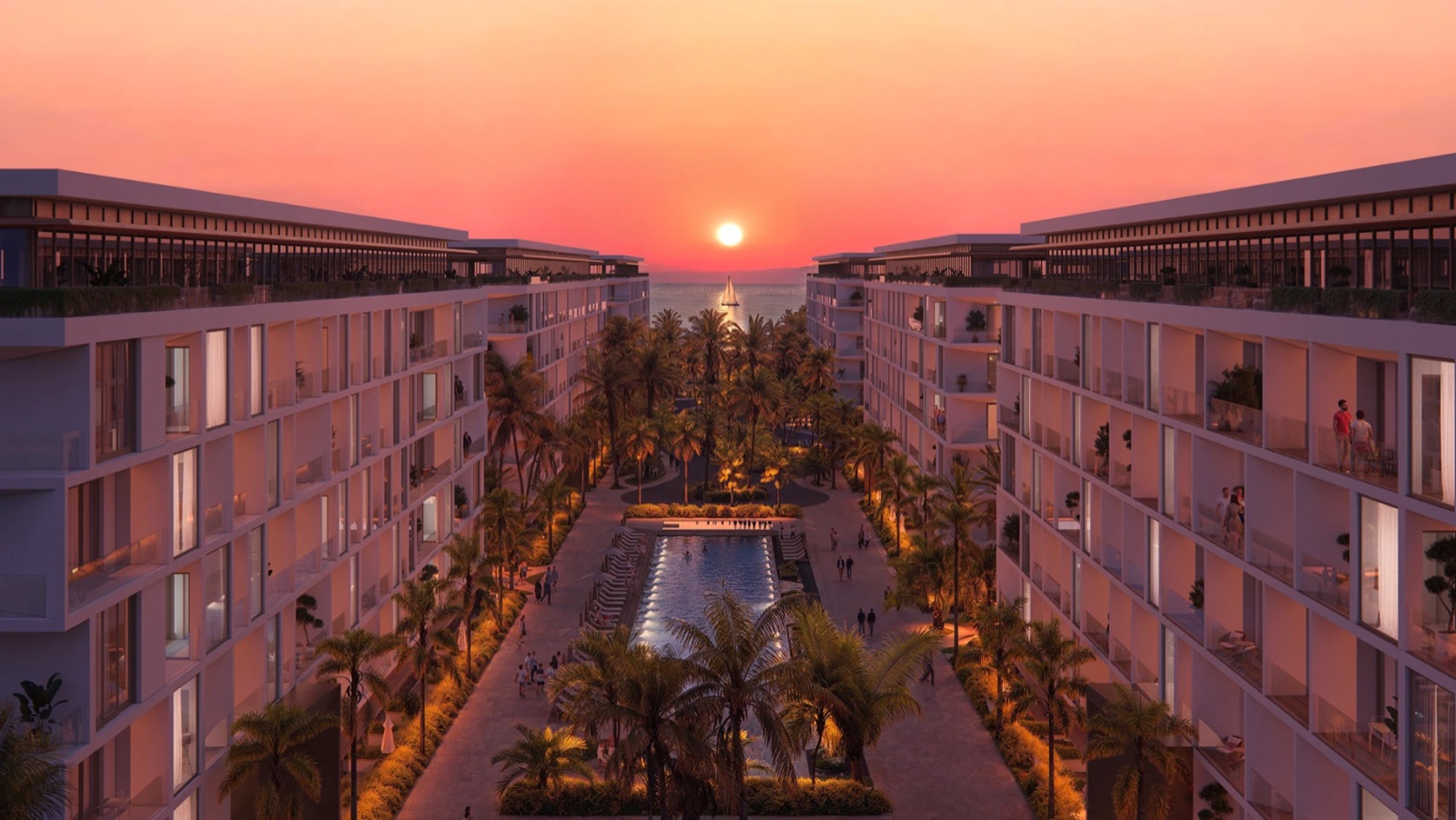
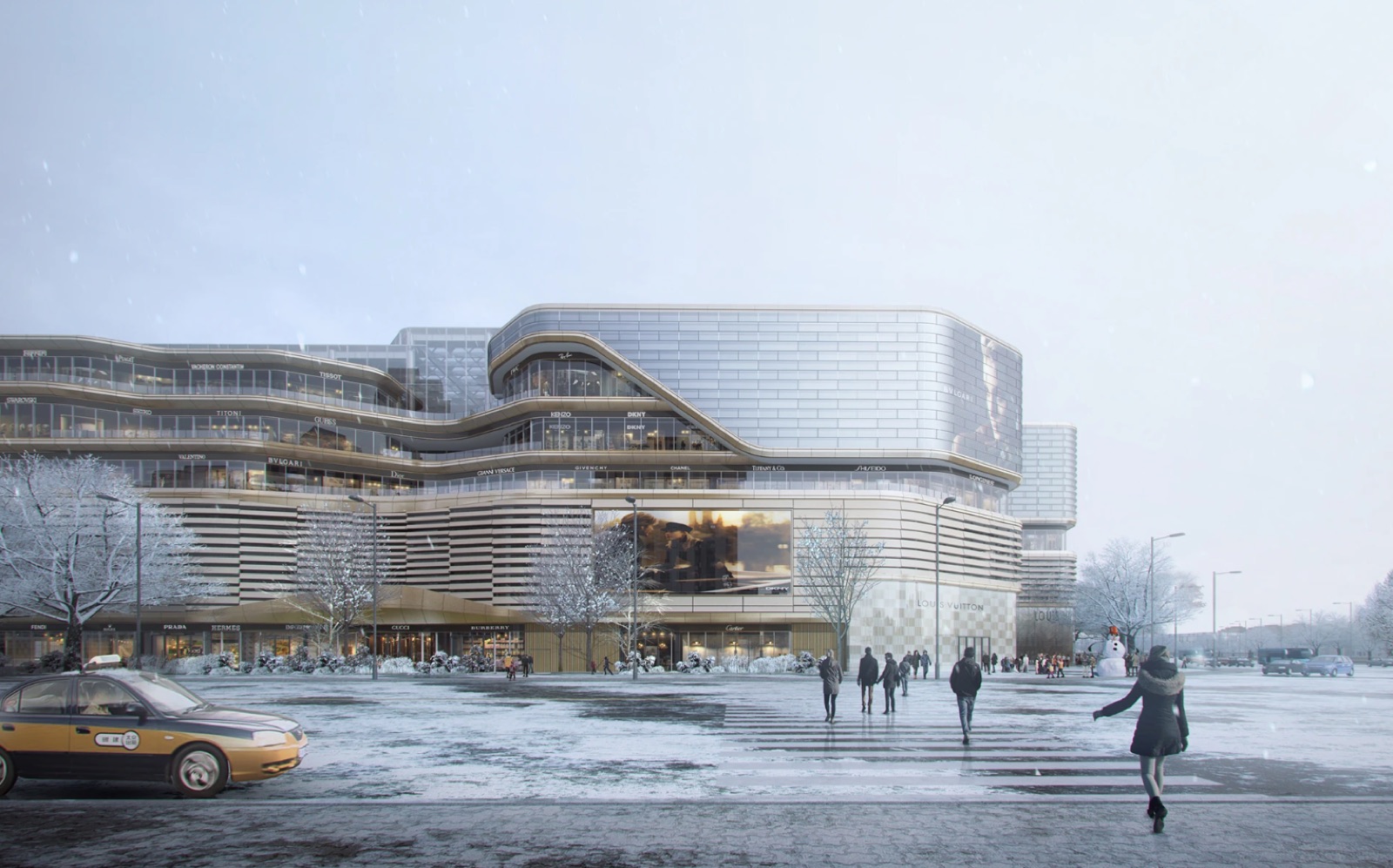
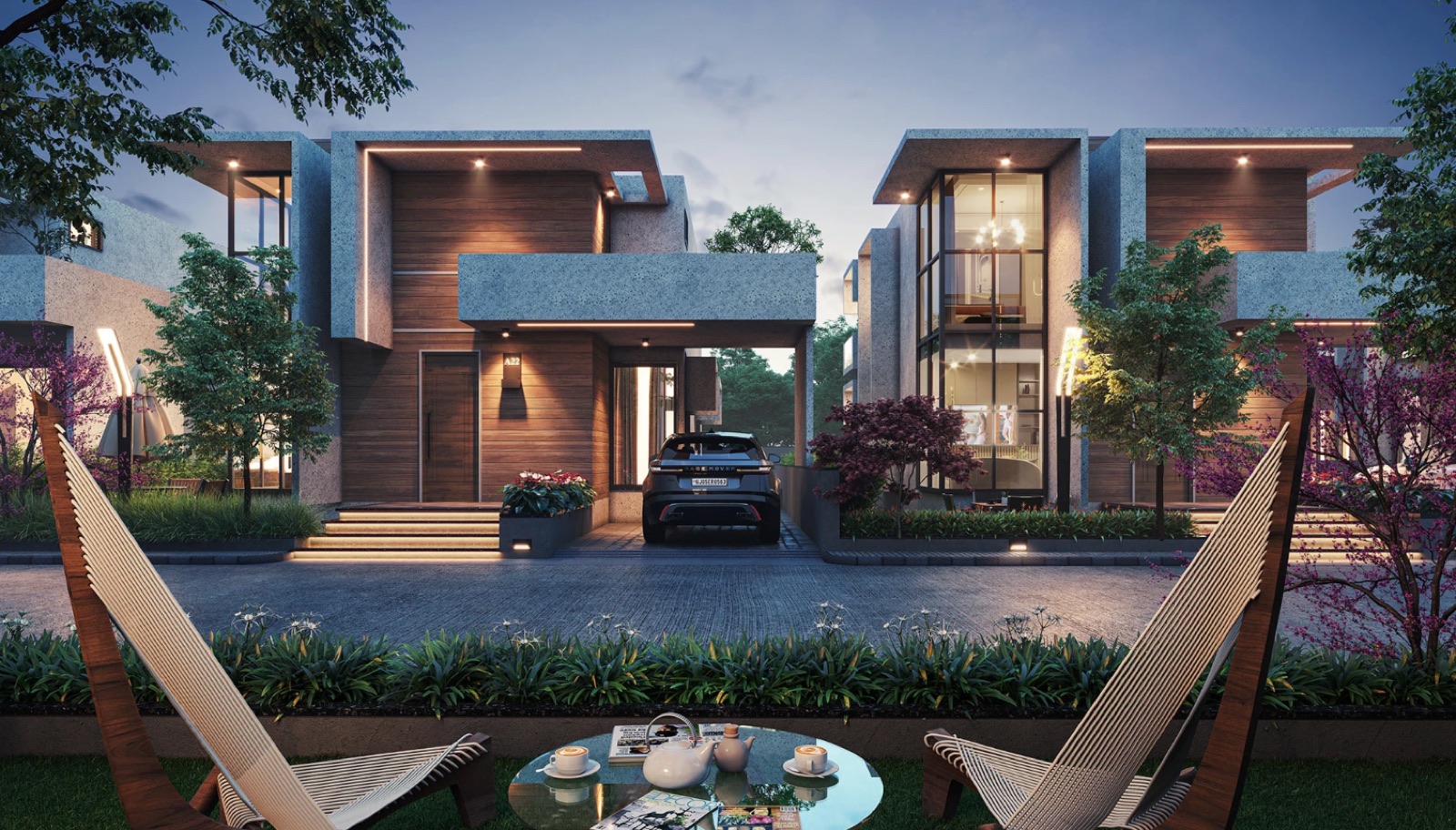
- Hour. Dusk flatters a tower and hides a podium. Morning sells a garden. Overcast sells honesty. The hour is a positioning decision.
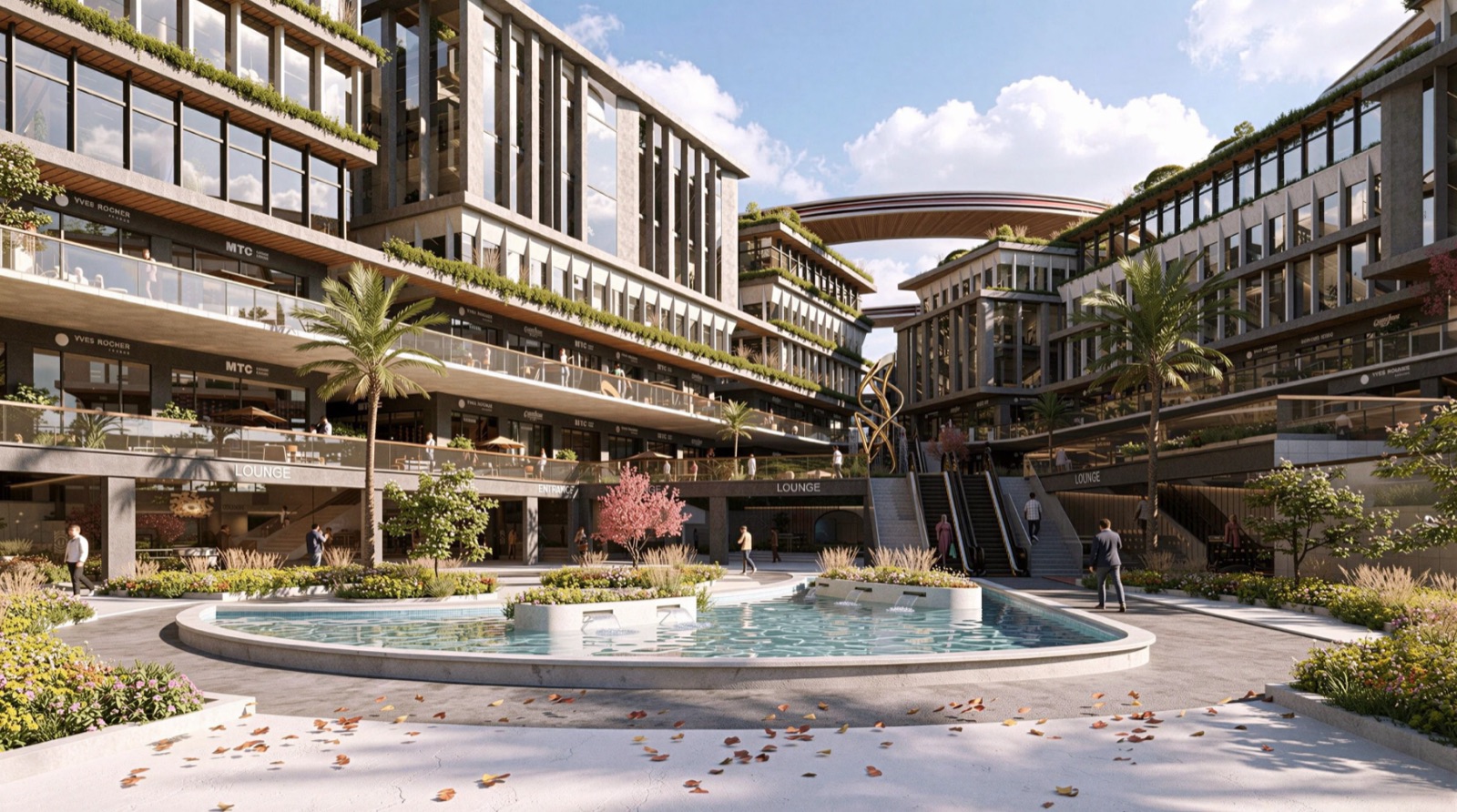
- Height. Eye level makes a buyer imagine arriving. Aerial makes an investor understand the asset. Most projects need both, briefed separately.
- People. Who is in the frame tells the viewer who the building is for, faster than any headline. Get this wrong and the copy cannot rescue it.
- Restraint. The most common failure in this industry is a render doing too much — every light on, every surface wet, every sky dramatic. It reads as a sales pitch, and buyers discount it.
Photoreal means it reads as photography
The benchmark we hold ourselves to is simple: would this pass as a photograph if you saw it in a magazine? Not "is it detailed" — detail is cheap now. Photographs have imperfect light, dust, slightly wrong compositions, blown highlights in the right places. Renders that are too clean read as renders, and a viewer who registers "render" also registers "promise", and discounts accordingly.
Build a set, not an image
A single hero render is a poster. A launch needs a set — a sequence that takes someone from the neighbourhood to the front door to the living room to the view from the balcony. Each frame answers the question the previous one raised.
Briefing a set as a set, up front, is also cheaper. The model is built once; the frames come from it. Coming back three months later for "just one more angle" costs far more than it should, because the environment, the lighting and the styling all have to be rebuilt around it.
Where it goes wrong
Almost always the same three ways: the brief was a floor plan and no audience; the review had six people and no decision-maker; or the render was commissioned before anybody decided what the project was promising.
Fix those and the visualization stops being a cost line and starts being the thing that makes the launch work.