
Most real estate projects get named, get a logo, and go to market. Six months later the developer is wondering why the brochure, the hoarding, the Instagram grid and the sales lounge all feel like they belong to four different buildings.
That is not a design problem. It is a decision problem. Nobody decided what the project is before people started making things for it.
Identity is a decision, not a deliverable
A project brand identity answers three questions, in this order:
- Who is this for? A first-home buyer and a second-home investor do not respond to the same promise, the same photography, or the same price of paper.
- What is the one thing we are promising? Space. Light. Address. Community. Return. Pick one. A project that promises everything promises nothing.
- How should it feel? Calm or aspirational. Warm or precise. Establishment or challenger.
Everything else — the mark, the palette, the typeface, the render brief — is a consequence of those answers. Get them right and every later decision becomes obvious. Get them wrong, or skip them, and every later decision becomes an argument.
What we actually build
An identity system for a project is not a logo file. It is the smallest set of rules that lets ten different people make consistent work without calling us:
- Name, mark and lockups — including the versions for a hoarding at 40 feet and a favicon at 16 pixels.
- Typography with a clear hierarchy, chosen for the languages the project actually sells in.
- A colour system with defined roles, not a mood board of nice colours.
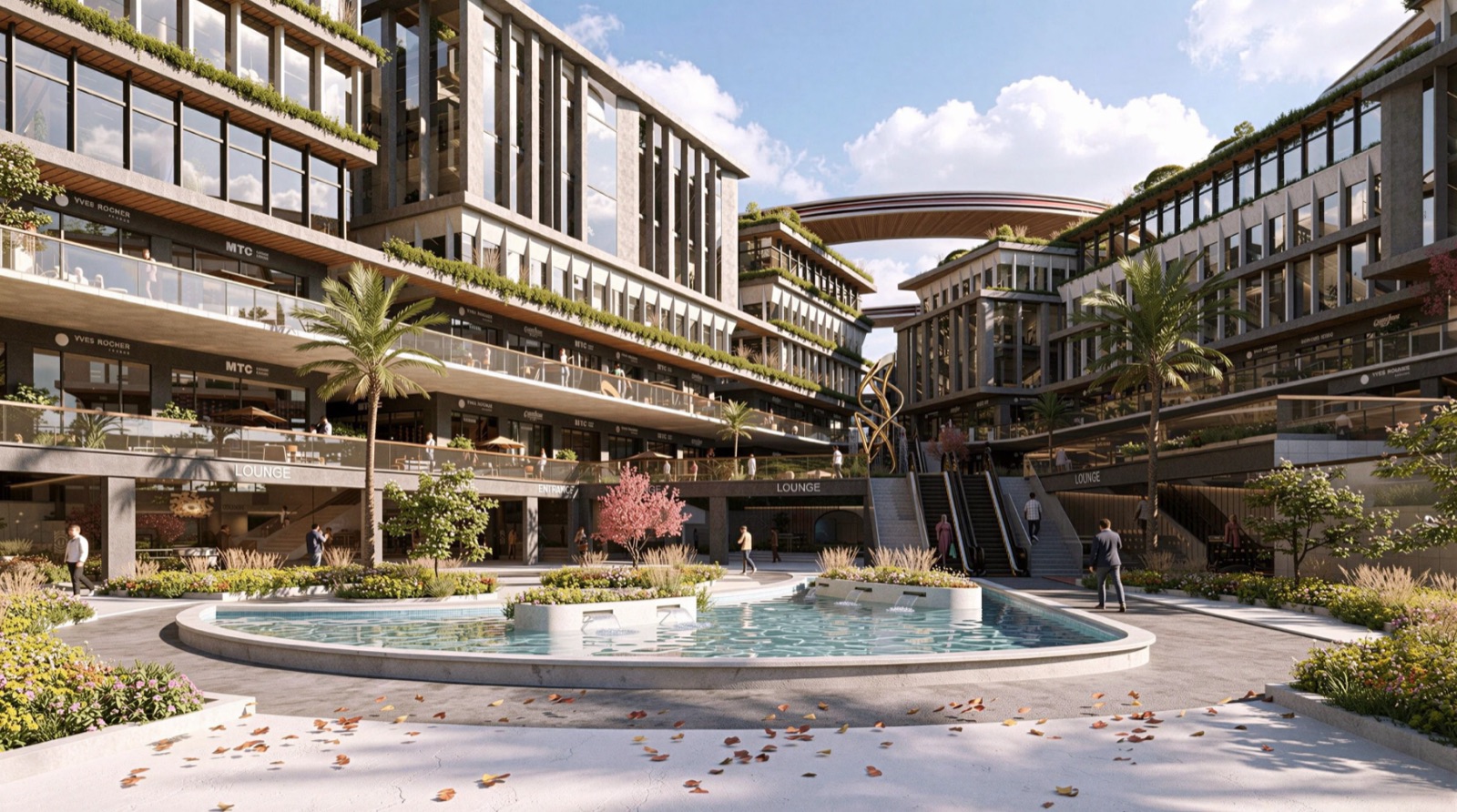
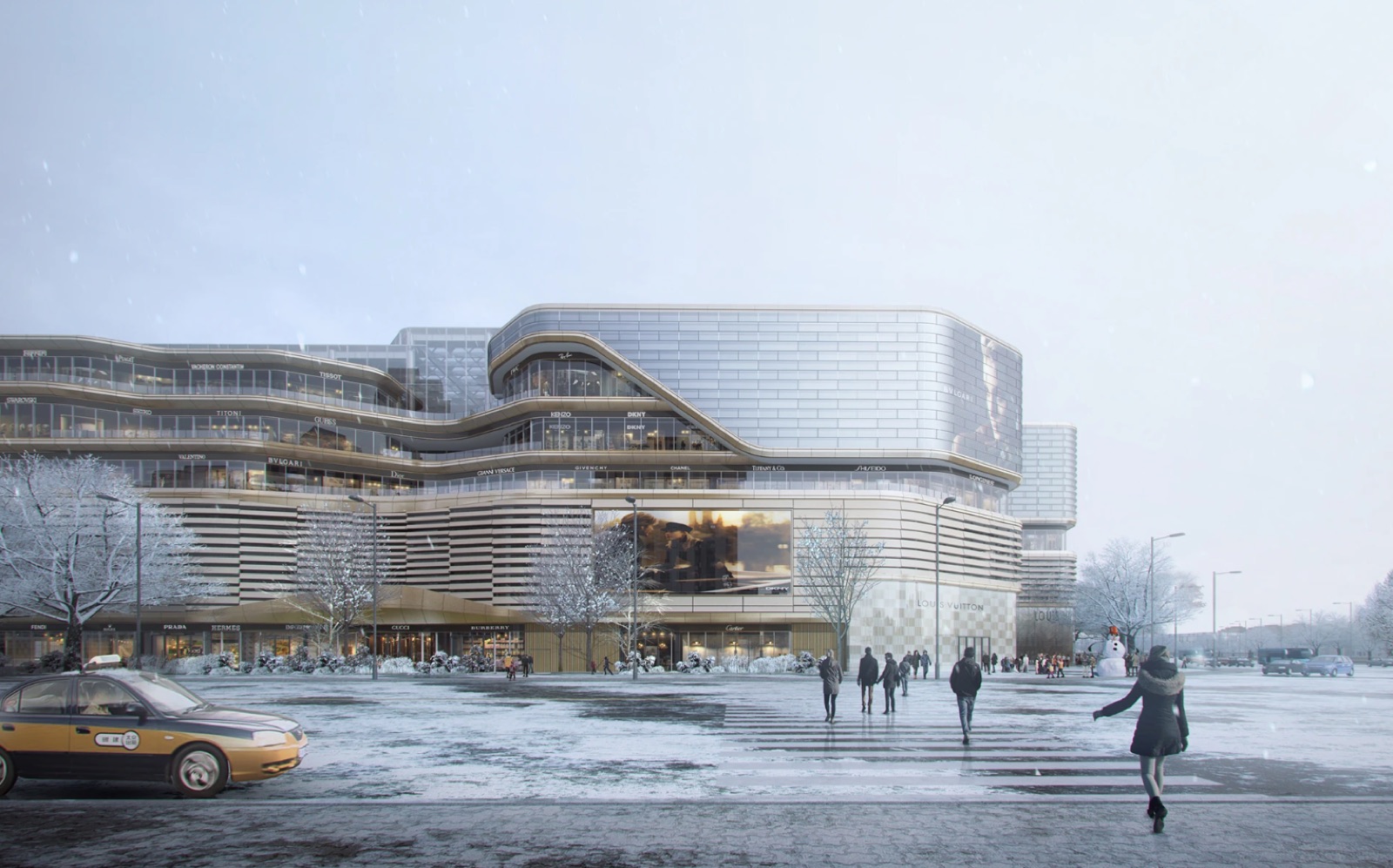
- A photography and render direction — light, time of day, styling, who is in frame.
- A tone of voice with real examples, including the ones we would reject.
The test
Here is the only test that matters. Take the hoarding, the brochure, the digital ad and one render, cover the logo on all four, and put them on a table. If a stranger can tell they belong to the same project, the identity is working. If they cannot, no amount of production quality will save the launch.
We build identities to pass that test on day one — because by the time the project is in market, it is far more expensive to fix.
Do it first
The most common sequence we see is renders first, identity later. It is understandable — renders feel like progress and identity feels like paperwork. But renders commissioned without a direction get art-directed by whoever is in the room that day, and a set of beautiful, inconsistent frames is a genuinely hard problem to unwind.
Identity first costs a few weeks. Identity last costs a relaunch.